

The World’s Catchiest Ad: my BONAWI entry

BONAWI end card. A fictional hazelnut spread, jar lid shut.

The World’s Catchiest Ad is ElevenLabs’ contest for an original jingle and a spot between 15 and 45 seconds. The announced grand prize is 50,000 USD. I entered BONAWI, a hazelnut spread that does not exist.

A jar is an easy ad. You show the spread, you show a bite, you say it tastes like nuts. I didn’t want that film. Inside the fiction, BONAWI has one promise: no palm oil, no added sugar, a lot of hazelnut. The spot starts where the palm oil in other spreads comes from. A forest. The machines that take it down.

The jingle is the hook, and you hear it before the picture explains itself. Each time a tree goes, one syllable of that hook goes with it. The lid is the way back. When it pops shut, the hook is whole again. Then one spoken line: “Your turn.”

The cut is 31 seconds. The entry is in.

What I actually made it with

The jingle was made in the ElevenCreative app, on Music v2.5, with custom lyrics and too many generations. The take I kept is Bo-NAH-Wee. On its own:

https://elevenlabs.io/music/songs/3eEj5ecWjdq4wfa09Vvt

The closing line is ElevenLabs text to speech. The toaster click, the lid pop and the room tones are ElevenLabs sound effects, placed on the beat grid. The picture is image-to-video, then cut by hand to that same grid. The shots in the cut come from LTX-2.5 and MiniMax H3 Max. TV and phone screens were composited afterwards. The label and the end card are vector artwork. I got tired of asking a model to draw the same jar twice and have it stay the same jar.

No existing songs, no covers, no real people, no real brands. BONAWI is not for sale. If a frame reminds you of a spread you know, that is a mistake, not a claim about that company.

What took the longest

The jingle. Early drafts sang the stage directions. I had left brackets in the lyric, and the model sang the brackets. The final lyric has none.

The frame. The contest watermark sits at the bottom right. Crop the 16:9 picture and the mark falls off, so the wide version stays wide. The vertical post is its own 9:16 master, not a center crop.

Watch it

The same spot is on Instagram and on X, posted as Trapdoor Vector.

Same list as the caption, so nobody has to guess: ElevenCreative for the music, the voice and the sound effects. LTX-2.5 and MiniMax H3 Max for the shots. Gemini for the review passes. Claude Code for the scripts. The cut is mine.
AI to generate music – stuff i want to try out

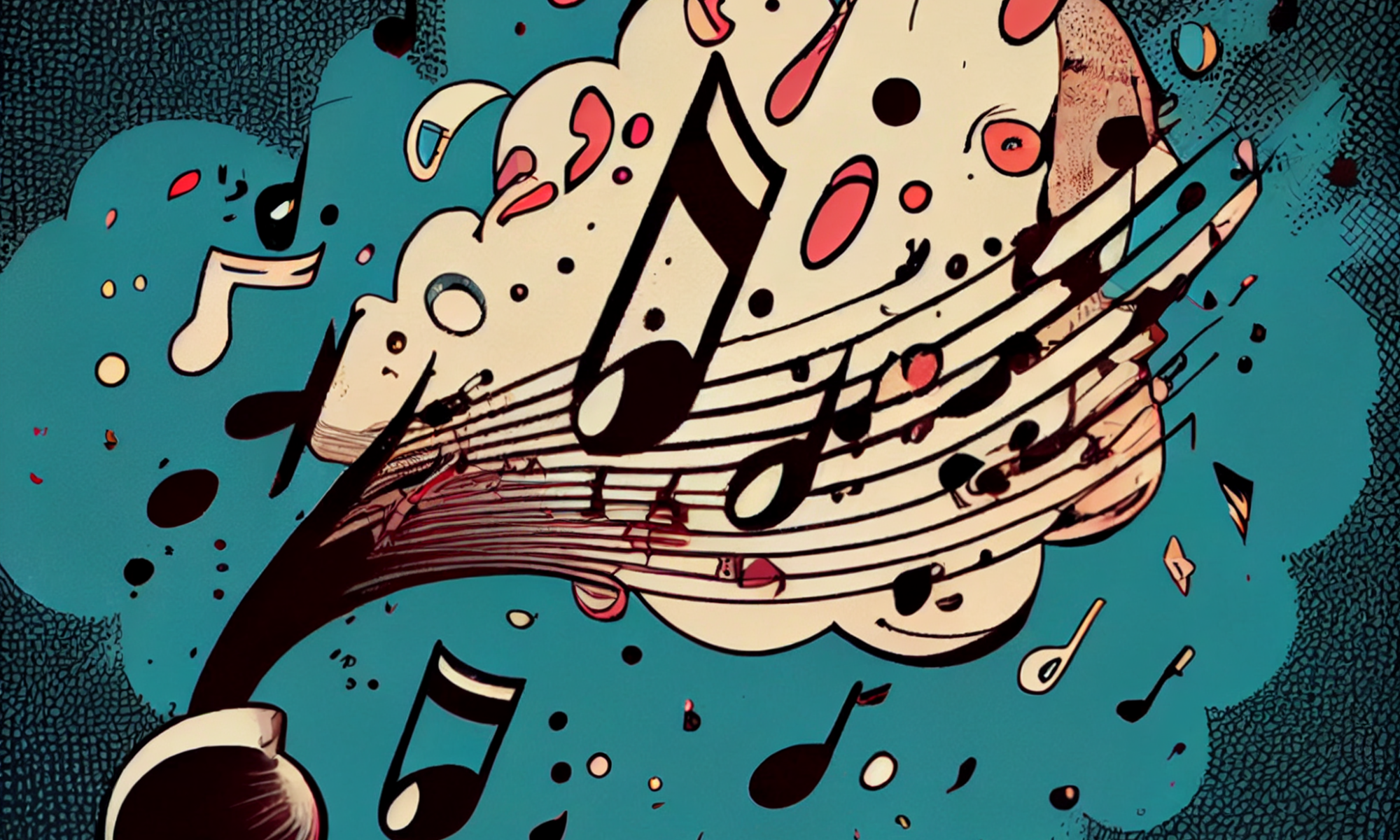
AI to generate music is worth exploring — here’s a hands-on list of tools songwriters can actually try.

Artificial intelligence (AI) has the potential to revolutionize the way songwriters create and produce music. With AI tools, songwriters can generate new melodies, harmonies, and lyrics, or even write entire songs based on a set of input parameters. Here are the top 10 best AI tools for songwriters:

  1. Jukedeck: Similar to Amper, Jukedeck is an AI music composer that can generate original compositions based on input parameters. Jukedeck offers a range of customization options, including the ability to specify the style, mood, and length of the piece.
  2. AIVA (Artificial Intelligence Virtual Artist): AIVA is an AI composer that can create original music in a variety of styles, including classical, rock, and electronic. In addition to generating original compositions, AIVA can also provide feedback and suggestions for improving existing pieces of music.
  3. Amper Music: Amper is an AI music composer that can create original music in a variety of genres. Simply enter your desired mood, length, and style, and Amper will generate a unique piece of music in seconds. The platform also offers a range of customization options, including the ability to specify instrumentation and tempo.
  4. Melodrive: Melodrive is an AI music composition tool that uses machine learning to generate original melodies in a variety of styles. The platform offers a range of customization options, including the ability to specify the length, tempo, and instrumentation of the piece.
  5. Autochords: Autochords is an AI music composition tool that can generate chord progressions based on input parameters. The platform offers a range of customization options, including the ability to specify the style, key, and tempo of the piece.
  6. Popgun: Popgun is an AI music composition tool that uses machine learning to generate original melodies and chord progressions. The platform offers a range of customization options, including the ability to specify the style, tempo, and instrumentation of the piece.
  7. OpenAI MuseNet: MuseNet is an AI music composition tool developed by OpenAI that can generate original music in a variety of styles and genres. The platform uses a neural network trained on a large dataset of music to generate unique compositions.
  8. LyricAI: LyricAI is an AI tool that can help songwriters generate new lyrics for their songs. Simply enter a few details about the song you’re working on, and LyricAI will generate a list of potential lyrics based on your input.
  9. Songsmith: Songsmith is an AI music composition tool developed by Microsoft that can generate original melodies and chord progressions based on input parameters. The platform offers a range of customization options, including the ability to specify the style, tempo, and instrumentation of the piece.
  10. Jukebox: Jukebox is an AI music composition tool developed by OpenAI that can generate original music in a variety of styles and genres. The platform uses a neural network trained on a large dataset of music to generate unique compositions.

In conclusion, AI tools offer a range of benefits to songwriters, including the ability to generate original melodies, harmonies, and lyrics, or even write entire songs based on input parameters. These tools can help songwriters save time and effort, and inspire new creative ideas.